Simple Secrets Behind Worldwide Cellular Numbers with eSIMGlobo

November 6, 2026 · 27 reads
Introduction
Every single phone call relies on tiny hidden codes. Cellular devices send invisible messages into the sky.
Radio signals jump between hand-held screens and tall metal towers. Those signals tell the whole network who you are.
Many people find these technical systems hard to understand. eSIMGlobo collects these network records into one clear place.
You can check phone company files without any headache. Anyone can discover which organization owns each specific transmission code.
Let us explore how these numbers keep everyone connected. You will discover simple ways to search them quickly.
Connecting Towers with Quick Number Codes
Cellular towers talk directly to your device all day. The tower shouts a short string of digits.
Your smartphone grabs those numbers out of the air. If the numbers match your account, your screen shows full bars.
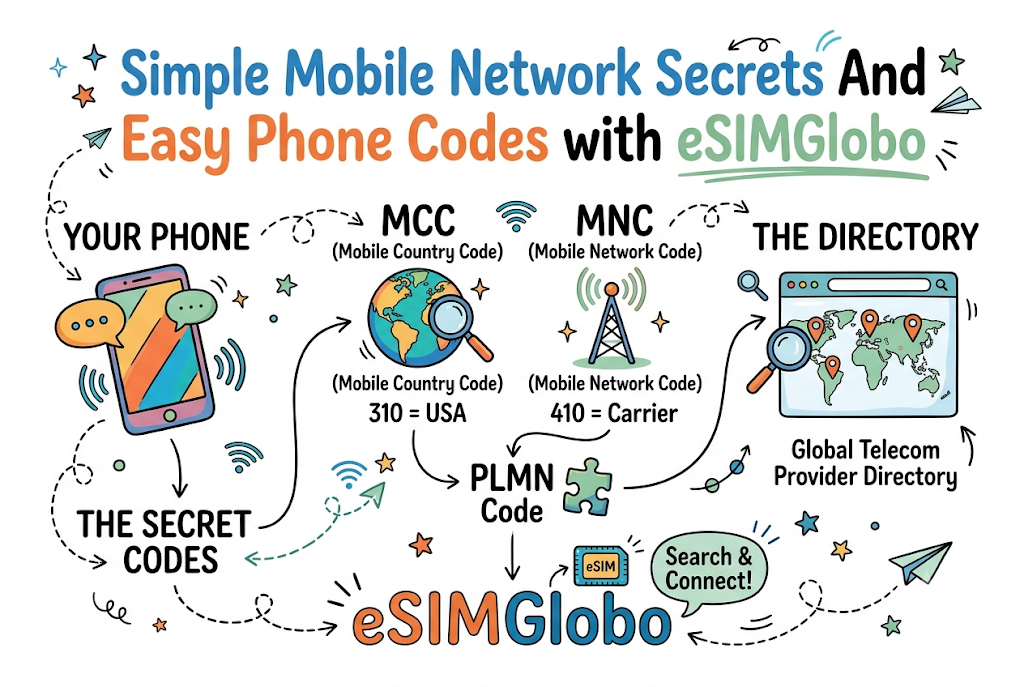
Engineers run a MCC MNC Lookup to check these assignments. The first three digits name the country you visit.
The next few digits point to the exact phone brand. So, your phone picks the right system without mistakes.
Finding Mobile Partners Around the World
Travelers cross international borders on planes and boats every day. Your home phone must find a friendly local tower abroad.
Foreign cell towers check your card identity in seconds. If the digits match an approved partner, your internet works.
Because of this team effort, you can chat across oceans. eSIMGlobo lists these verified network teams side by side.
You can see which local company handles your holiday data. That makes planning family trips much easier for everyone.
Searching Combined Network Identifiers Quickly
Digging through paper telecom files used to take days. Today, modern digital search boxes solve that problem instantly.
A rapid PLMN Code Lookup gives you clear answers right away. PLMN joins the country code and the network code together.
App creators and network researchers check these numbers daily. You just type the full number to see the owner.
Then, you know which company runs the actual service. Clean answers stop confusion before it even starts.
Big Records for Real Antenna Owners
Thousands of companies operate metal cellular towers across the planet. Some giants cover giant nations with millions of antennas.
Smaller teams serve quiet mountain towns or tiny islands. The Mobile Network Operator Directory sorts these owners into neat groups.
You can read where each brand provides real coverage. You can also inspect official business names with zero hassle.
So, researchers gather reliable facts without getting lost in technical clutter. Everything stays open and easy to inspect.
Quick Breakdown of Network Roles
| Service Type | Builds Own Towers | Sells Data Plans | Typical User |
|---|---|---|---|
| Network Operator | Yes, always | Yes, directly | Daily home users |
| Virtual Operator | No, rents space | Yes, via deals | Budget plan shoppers |
| Digital SIM Brand | No, uses cloud | Yes, online only | Worldwide tourists |
One Big Catalog for Planet Telecom
People want dependable mobile connections wherever they land. Hunting across dozens of foreign websites wastes precious time.
The Global Telecom Provider Directory brings international records under one single roof. It holds thousands of verified carrier files from everywhere.
You can filter results by nation, name, or code number. Next, you can verify if a brand holds active licenses.
This helps globetrotters choose safe phone setups before boarding flights. It also helps tech teams build smarter mapping tools.
Finding Codes by Land and Border
Every nation receives an exclusive three-digit mobile identifier. Big nations sometimes hold a couple of separate number sets.
Smaller islands usually need only one three-digit tag. You can browse Mobile Network Codes by Country to see them all.
Pick any spot on the map to see its registered codes. Then, view the businesses linked to each specific number block.
Also, curious learners use these lists to study modern communications. Clear lists turn hard telecom topics into fun lessons.
Checking the Official Country Registry
The Mobile Country Code List groups codes by continent and region. You can scan Europe, Asia, and the Americas rapidly.
The International Telecommunication Union assigns each number set carefully. They make sure two countries never fight over the same digits.
Because of these global rules, calls travel across borders smoothly. Your device never confuses one country with another.
eSIMGlobo presents these country rows in neat order. You spot patterns and check numbers in seconds.
Looking Inside the Master Database
Accurate network information comes from strictly verified global sources. Official groups inspect and record each mobile code first.
The Telecom Operator Database stores these checked records and data logs. It tracks corporate updates when telecom companies merge or change.
Because companies buy rival brands, ownership files change very fast. The master system records these changes without delay.
So, visitors always see fresh and accurate facts on screen. Technicians trust these verified archives for important field research.
How Virtual Phone Brands Work
Many popular phone companies never build tall metal radio towers. Instead, they purchase extra bandwidth from bigger network owners.
Industry workers call these smart businesses virtual network operators. A handy MVNO Directory lists these budget-friendly brands clearly.
You can discover which giant towers power each virtual brand. Next, you can see how they share regional networks.
This helps bargain hunters pick reliable low-cost phone plans. It also helps analysts track fast-growing wireless markets.
Digital Profiles for Modern Phones
Tiny plastic SIM cards are fading into the past. Modern smartphones carry tiny programmable chips inside their metal cases.
Users download their network details straight out of the cloud. An eSIM Provider Directory tracks these new digital sellers.
You can compare travel packages across dozens of holiday spots. You can also check which smartphones accept these digital profiles.
Because installation happens digitally, you skip long lines at the terminal. Your phone starts loading maps the minute you land.
Fast Data Tools for Software Builders
Modern programmers need smart ways to verify cellular codes. They build ride apps, banking tools, and travel utilities.
A dependable MCC MNC Lookup API feeds data straight into custom software. The code talks directly to the database in milliseconds.
So, bank apps spot fraud by verifying where phones connect. Travel apps choose the fastest local data partner automatically.
This handy setup saves software creators hundreds of work hours. It turns dry telecom numbers into quick, practical answers.
Comparing Network Number Formats
| Tag Name | Digit Count | Main Job | Typical Use Case |
|---|---|---|---|
| Country Code | 3 digits | Names the country | Global roaming tests |
| Network Code | 2 or 3 digits | Names the carrier | Tower antenna link |
| Full PLMN Code | 5 or 6 digits | Identifies the full operator | SIM security setup |
A True Story from a Project Team
An independent programmer named David built a navigation tool for hikers. His application kept failing whenever travelers switched regional networks.
Missing carrier data caused annoying errors and delayed his rollout. Then, David tested eSIMGlobo to sort out his code lists.
He matched every local tower ID with its correct carrier name. His navigation app ran smoothly on the very next test run.
His team finished their project two weeks ahead of schedule. Today, thousands of outdoor explorers rely on his software daily.
Five Easy Steps to Identify Any Code
- Spot the five or six digits on your device status screen.
- Read the first three numbers to find the country identity.
- Open the free online search tool on your browser.
- Type the full string into the clear search field.
- Check the operator profile to confirm the network owner.
Frequently Asked Questions About eSIMGlobo
What makes this telecom directory unique?
It organizes thousands of complex network records into clean, readable lists that anyone can search.
Who benefits from looking up these numbers?
Travelers, app developers, and tech researchers use these lists to verify carrier connections quickly.
What does MCC stand for?
MCC stands for Mobile Country Code, and it identifies the exact nation where a network lives.
What does MNC mean?
MNC means Mobile Network Code, and it pinpoints the specific phone company operating the signal.
Why do users look up PLMN numbers?
A PLMN code joins the country and company digits so you identify the carrier without confusion.
Do visitors need an account to search public lists?
No, you can search and explore global network numbers freely without making an account.
Why do mobile network codes change over time?
Codes change when phone brands buy rival companies, expand into new areas, or upgrade systems.
How do software makers use network lookups?
Programmers use lookup tools to detect user locations, stop fraud, and switch data connections smoothly.
What is a virtual cellular operator?
A virtual operator sells budget phone plans by renting tower capacity from larger network companies.
Why do tourists choose digital eSIM plans?
Tourists buy digital plans online to skip buying physical plastic cards when traveling abroad.
Wrap-Up Thoughts
Cellular networks run on simple, organized number systems. Learning these basics helps everyone understand global phone connections.
Accurate records save precious hours for travelers, builders, and learners. eSIMGlobo gathers these vital numbers into one friendly online resource.
You can research countries, inspect carriers, and compare digital plans anytime. Clean information helps everyone stay linked across our big planet.
Leave a Reply